Senate Rejects Democratic Effort to Limit Trump's Iran War Powers
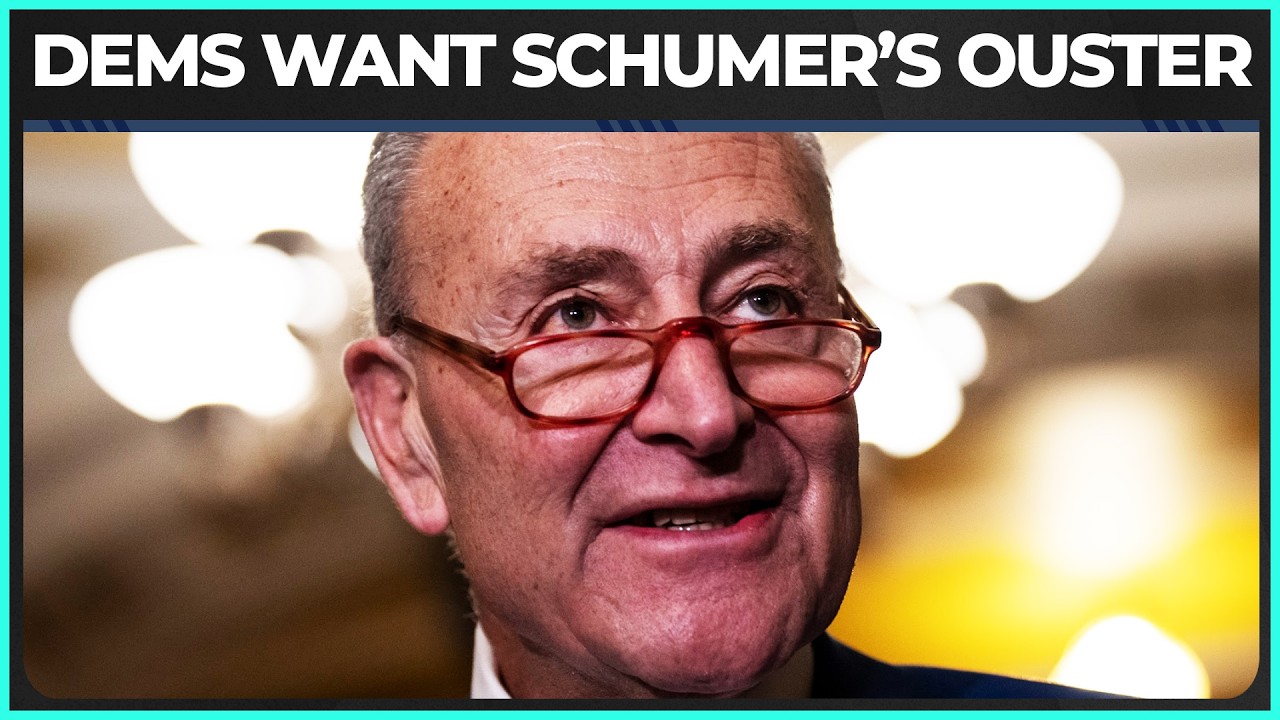
The **US Senate** has rejected a Democratic effort to limit **President Trump**'s ability to wage war with **Iran**. The move comes amid heightened tensions bet
Summary
The **US Senate** has rejected a Democratic effort to limit **President Trump**'s ability to wage war with **Iran**. The move comes amid heightened tensions between the two nations and concerns over the president's comments on the matter. Some **Republicans** have expressed worries that Trump's statements could negatively impact the party's **midterm election** chances. The decision underscores the ongoing debate over the balance of power between the executive and legislative branches in matters of foreign policy. For more context, see [[iran-us-relations|Iran-US Relations]] and [[war-powers-act|War Powers Act]]. The Senate's decision may have significant implications for the future of US foreign policy, particularly in relation to [[middle-east-geopolitics|Middle East Geopolitics]].
Key Takeaways
- The US Senate has rejected a Democratic effort to limit President Trump's ability to wage war with Iran
- The decision reflects deep divisions over presidential authority in foreign policy
- The move has significant implications for US-Iran relations and the balance of power between the executive and legislative branches
- The situation is complex and influenced by multiple factors, including diplomatic efforts and regional dynamics
- Citizens can engage in informed discussions and support organizations that promote diplomatic efforts
Balanced Perspective
The Senate's vote reflects the complex and often contentious nature of US foreign policy decision-making. While some lawmakers may view the president's authority as essential for responding to national security threats, others may see it as an overreach of executive power. The debate over war powers is likely to continue, with implications for the balance of power between the legislative and executive branches. For a deeper understanding of this issue, see [[separation-of-powers|Separation of Powers]] and [[congressional-authority|Congressional Authority]].
Optimistic View
The Senate's decision may ultimately lead to a more nuanced and effective approach to dealing with Iran, as it allows for a more flexible response to emerging situations. **President Trump**'s willingness to engage in diplomacy with Iran, as seen in his recent comments, could potentially lead to a breakthrough in negotiations and a reduction in tensions. This, in turn, could have positive implications for regional stability and global security, particularly in the context of [[nuclear-non-proliferation|Nuclear Non-Proliferation]].
Critical View
The rejection of the Democratic effort to limit Trump's war powers may embolden the president to take reckless and unilateral actions, potentially leading to catastrophic consequences. The lack of congressional oversight and accountability could enable a president to wage war without sufficient consideration for the long-term consequences, putting American lives and interests at risk. This could also undermine the credibility of the US on the global stage, particularly in relation to [[international-law|International Law]] and [[human-rights|Human Rights]].
Source
Originally reported by NBC News