Iran Threatens to Target U.S. Tech Firms in Escalating Conflict
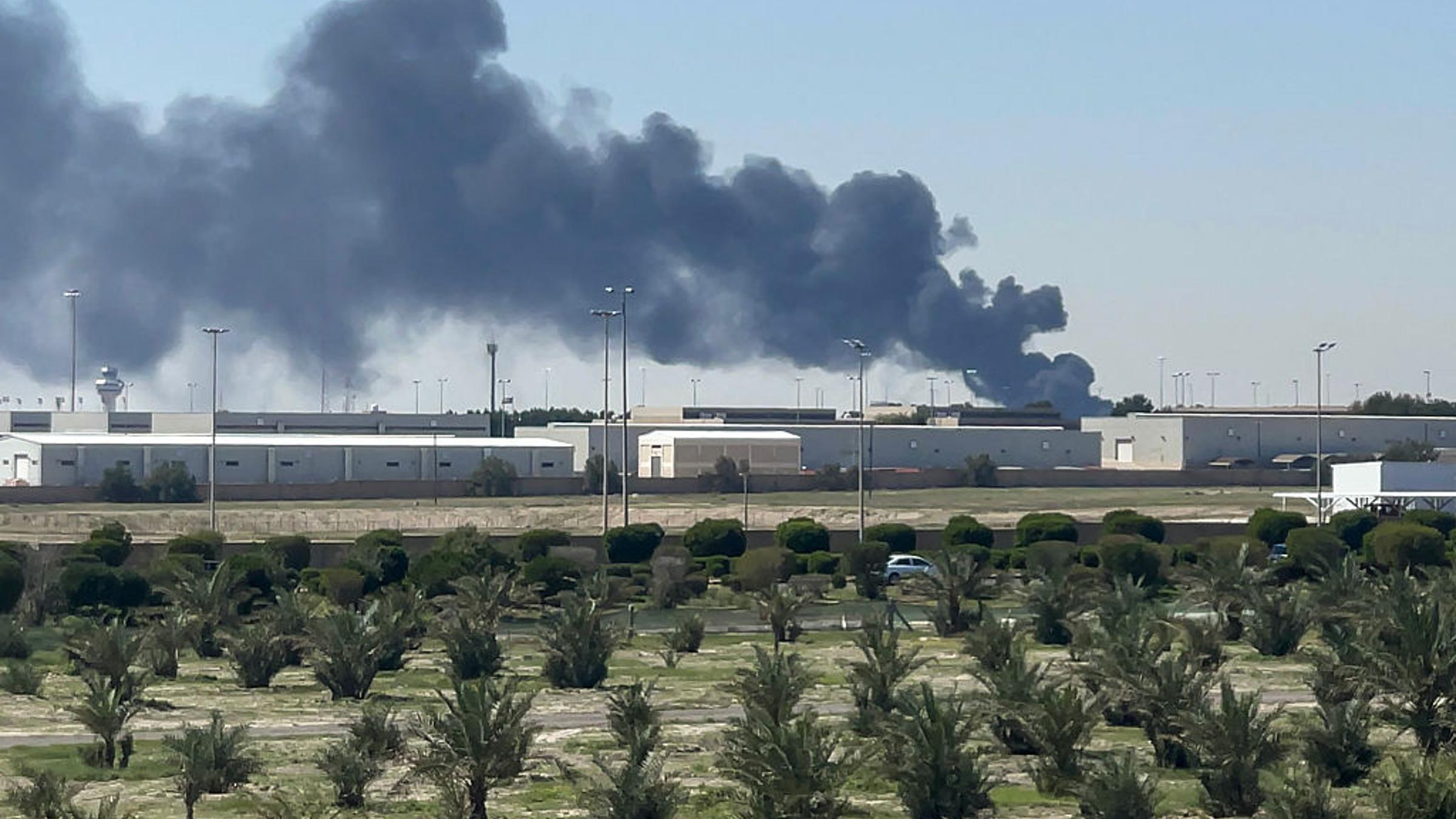
The IRGC's threat has been met with concern from the tech industry, with **Intel** stating that the safety and wellbeing of its team is its number one priority.
Summary
The IRGC's threat has been met with concern from the tech industry, with **Intel** stating that the safety and wellbeing of its team is its number one priority. The situation has also sparked debate about the role of tech companies in military conflicts, with some arguing that they have a responsibility to ensure their technology is not used for military purposes. [[artificial-intelligence|AI]] and **cybersecurity** have become key areas of concern, as the IRGC has accused the tech firms of enabling terrorist attacks. The conflict has also raised questions about the future of the war, with **Trump** suggesting that it could end in two to three weeks, while **Secretary of State Marco Rubio** has said that the 'finish line' is near.
Key Takeaways
- The IRGC has threatened to target 18 U.S. tech firms, including Apple, Google, and Meta
- The U.S. and Israel launched a war against Iran on February 28
- The IRGC has accused the tech firms of enabling the assassinations of dozens of Iranian leaders
- The situation has sparked concerns about the safety of tech workers and the potential for further escalation
- The conflict has raised questions about the role of tech companies in military conflicts, and the ethics of providing technology to countries with questionable human rights records
Balanced Perspective
The IRGC's threat is a serious escalation of the conflict, and highlights the complex and multifaceted nature of the situation. The tech firms are likely to be caught in the middle, and may face significant challenges in navigating the situation. The conflict has raised questions about the role of tech companies in military conflicts, and has sparked debate about the ethics of providing technology to countries with questionable human rights records. [[human-rights|Human rights]] concerns are likely to be a key area of focus, as the international community seeks to hold countries accountable for their actions.
Optimistic View
The IRGC's threat may be a sign that Iran is willing to negotiate, as the country seeks to end the conflict and rebuild its economy. The tech firms may be able to play a role in facilitating dialogue between the U.S. and Iran, and could potentially help to broker a peace deal. [[diplomacy|Diplomatic efforts]] could be key to resolving the conflict, and the tech industry may be able to provide a platform for negotiations. The situation could also lead to increased cooperation between the U.S. and Iran, as the two countries seek to address common security concerns.
Critical View
The IRGC's threat is a sign that the conflict is likely to escalate further, and could potentially lead to a wider war. The tech firms may be seen as legitimate targets by the IRGC, and could face significant risks to their employees and operations. The situation could also lead to a breakdown in diplomatic relations between the U.S. and Iran, and could potentially draw in other countries. [[cyberwarfare|Cyber attacks]] could become a key area of concern, as the IRGC seeks to disrupt the operations of the tech firms.
Source
Originally reported by Time Magazine